This fall we decided that after almost twenty years, we were going to move. Around the corner. Our youngest is making plans to travel abroad after highschool and we are making plans, too. The “new” house, forty years older than our current post-war one and a half story abode, is surrounded by pine trees, a little cottage in the city. Thinking about this adventure has been a placebo for grieving my chicks leaving the nest.
When the children were young, I had the opportunity to teach part time while practising my creative writing craft on my days “off.” I cherished the ritual of returning to my desk to continue a scene, a sentence, a sentiment. When the pandemic descended, my schedule altered alongside my family’s, and the return to my desk was more often procedural than procreative. I lost the familiar rhythm, and later found a new one working with young people intentional community. I was gathering stories and it was (is) exciting and fulfilling, but the cost has been that returning with attention to a scene, or even an entire manuscript, has proved elusive. My creative muscles grew in other directions, but I missed my writing desk, my old desktop, the solitude of the alcove in my bedroom. I promised myself I would return. I am not sure when.
And then, this past September, I went back to school. I looked forward to reading thousands of pages in dusty libraries (I am always on the hunt for the perfect Hogwart-esque library nook) and turning my hand to essays once again after years in the waters of fiction.
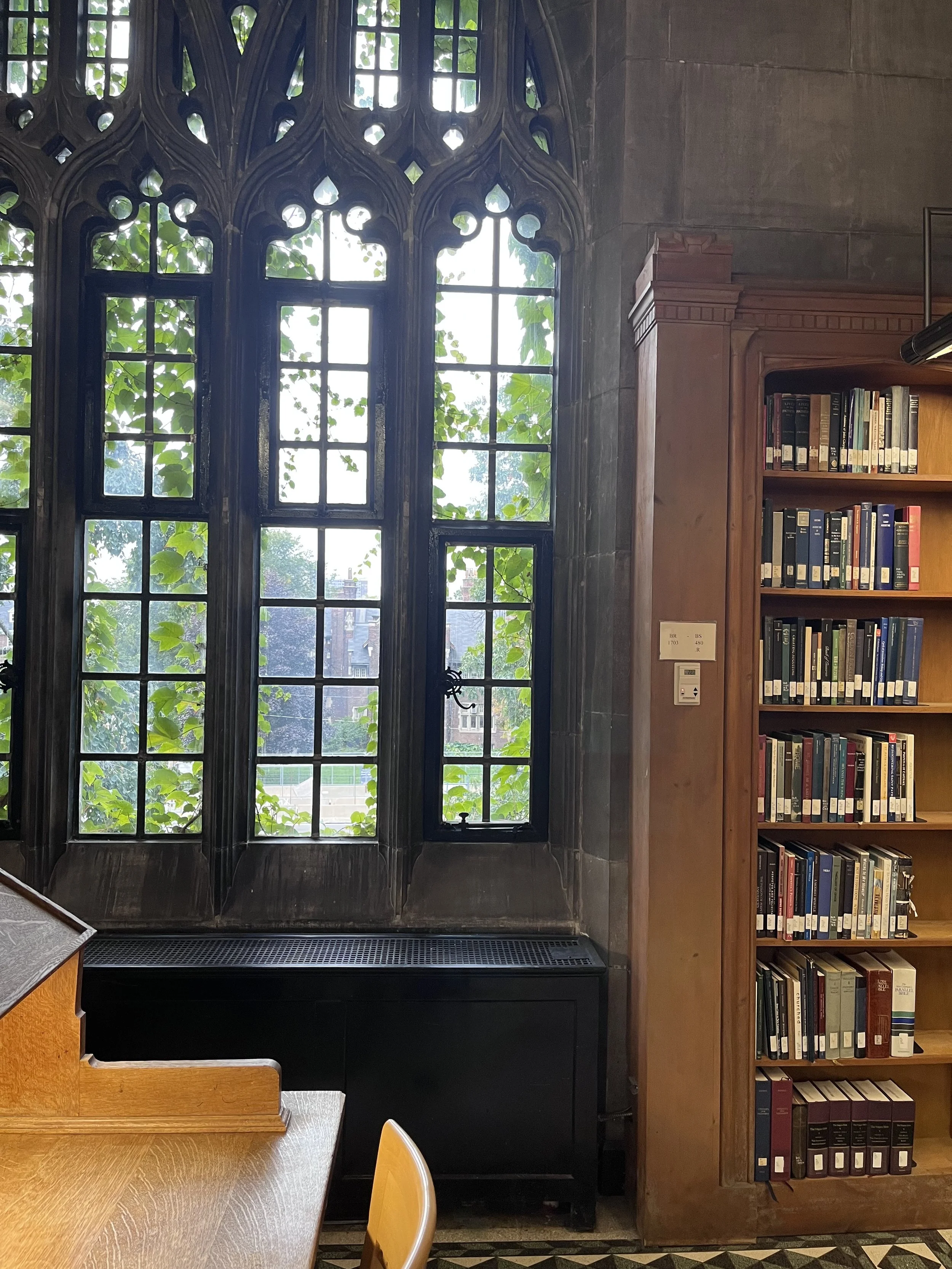
Isn’t this a beautiful place to read? No one even dares to unwrap a mint in here.
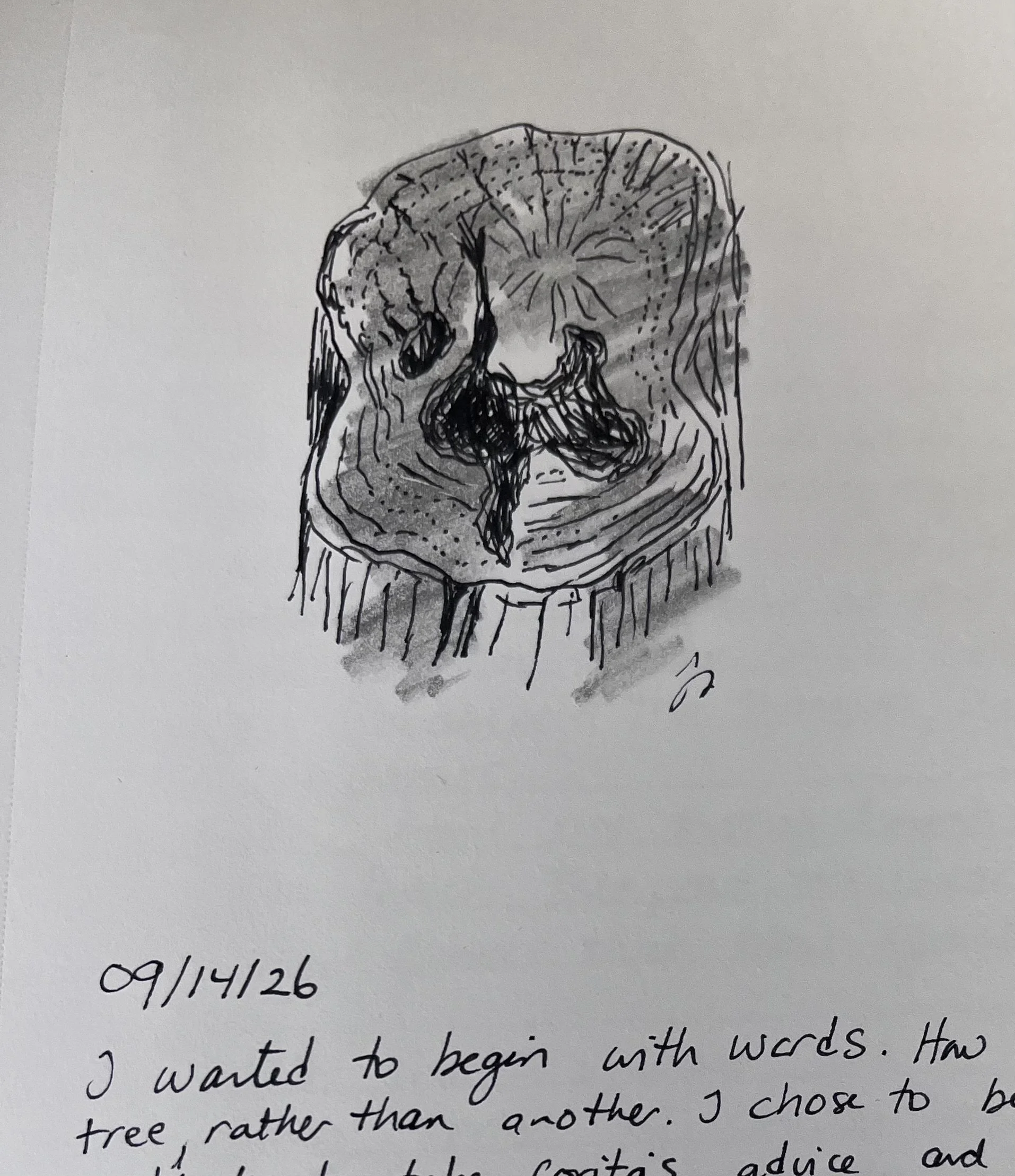
Alongside the more academic reading, I was assigned a weekly task of gazing at a native plant, and drawing it. At first, I thought this “world-viewing’ task superfluous to my scholarly ambitions. I’ll get this over with. I wasn’t expecting tears, or revelation, or a coming home to my vocation, but it turns out, beholding a tree can do all three.
I wanted to begin with words, not drawing. How we came to plant this tree, rather than another. I chose to begin opposite to my instinct- to take Corita Kent’s suggestion and begin with shadows. We’d planted the tree for shade, and now, in the cool of early September, I was looking for the sliver of sunshine remaining in the backyard. This placed me near the trunk, so I considered how to draw the bark, the cracks and wounds and roots, but my attention drifted five feet to the west, to the stump of the elm tree we cut down to make room for the magnificent “Autumn Blaze” maple. The elm tree stood alone in the yard for years and bore the weight of the children’s limbs as they grappled with her to escape pirates and marauders below. They survived their childhood without hanging themselves on skipping ropes precariously knotted in her branches. She made room for river beech to the north and south of her, and sheltered the maple until its canopy touched hers, and then we cut her down to let the maple grow tall. The elm stump is now home to invisible living things, its rings puzzle pieces drying in the sun.
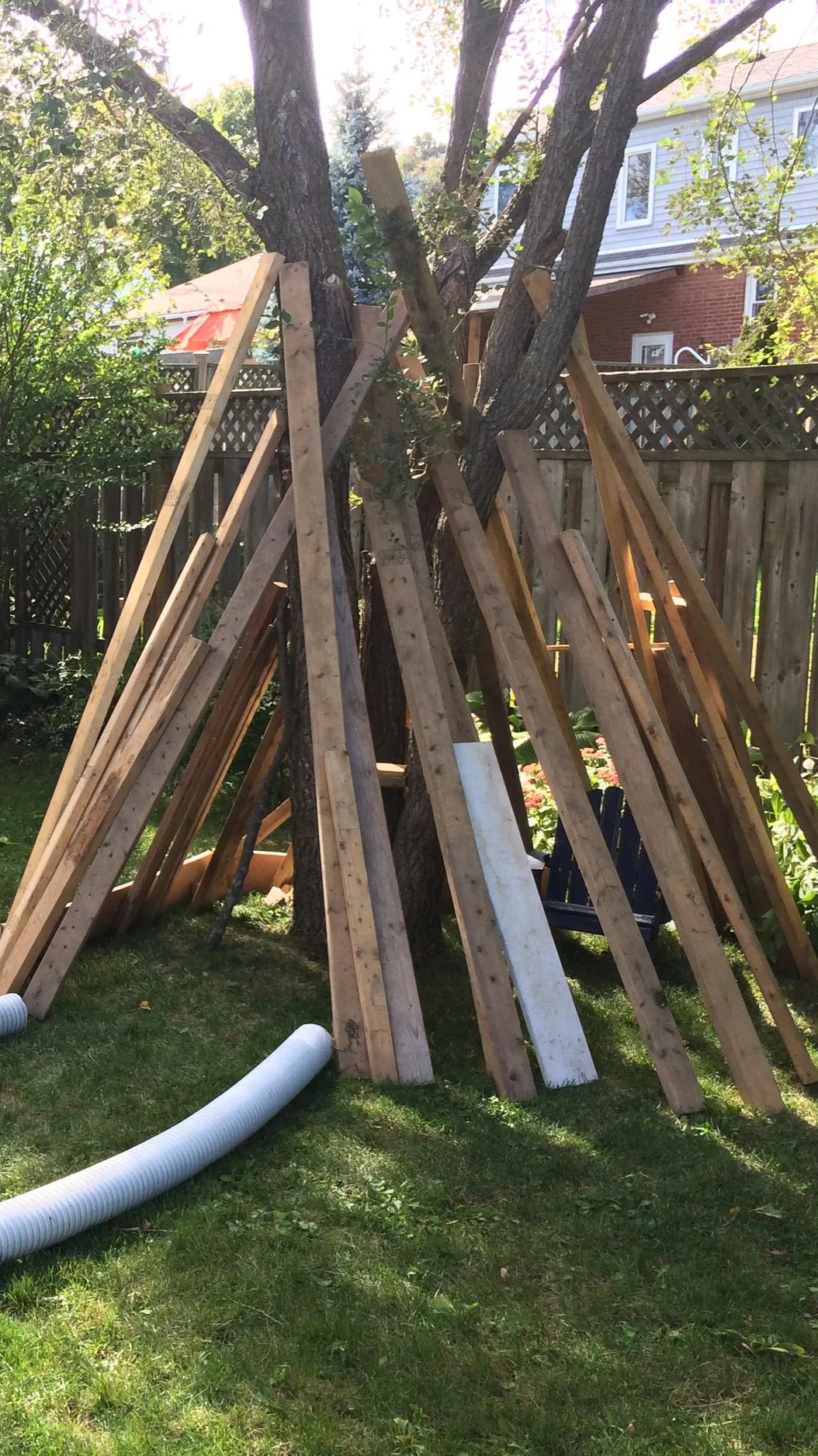
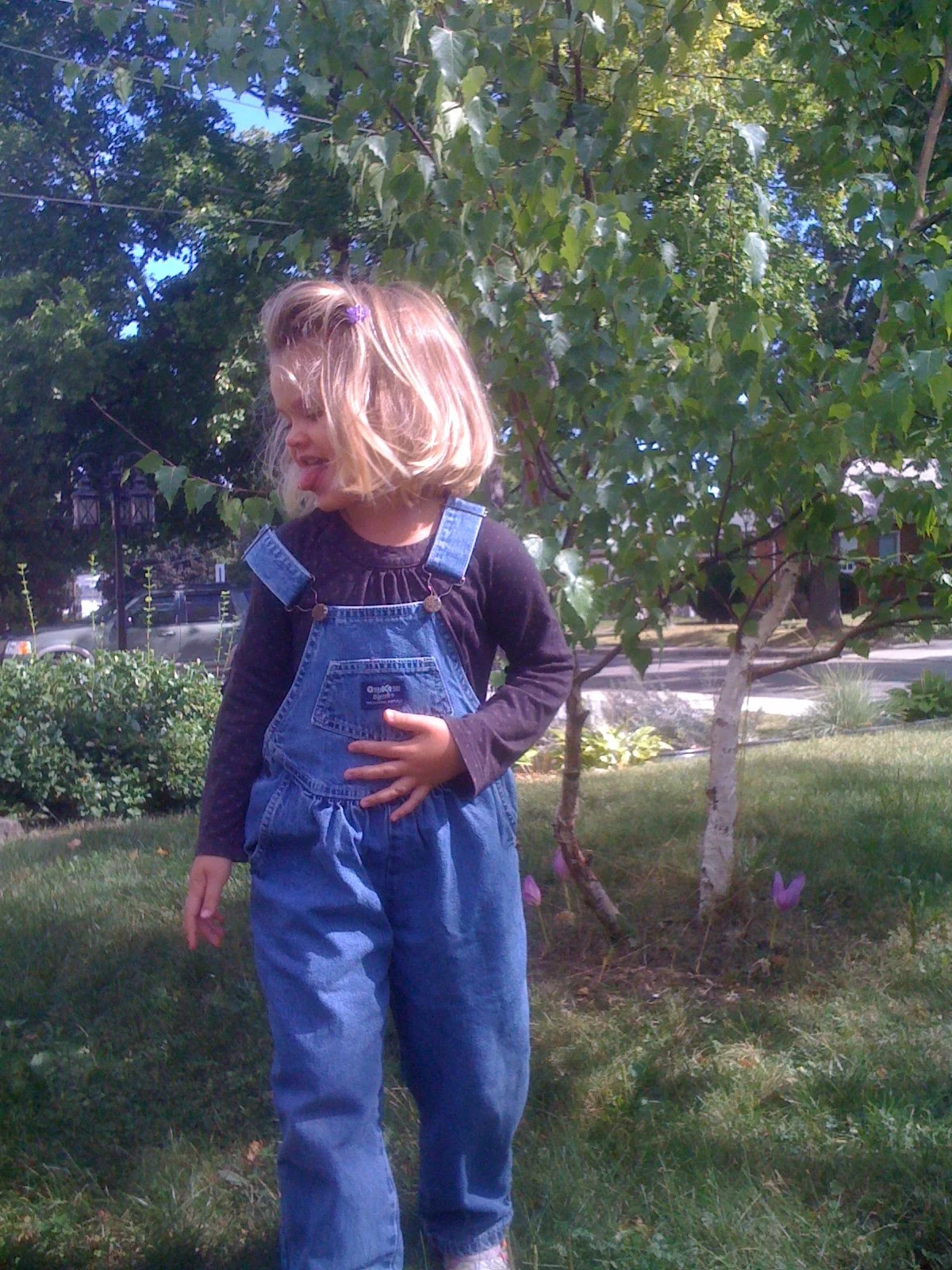
The elm was the third tree to be cut down on our little lot. The year we moved in, the city cut down two beautiful but dying Norway Maples that hung over a crumbling wall and dropped branches on the street. Those stumps were ground down by big machines, so that today there’s no memory of their place on the street. The year our firstborn arrived, we planted a birch tree where the Norway maples once grew, and it shot up and branched out, shading the entire front yard. Before our daughter left for university, as though to mark a transition, we cut down the birch tree for fear of its branches falling on the neighbour’s property, and planted a slow-growing gingko that I have yet to love as I loved the unbridled growth of the birch.
In his book, “A Grace Disguised- How the Soul Grows Through Loss”, Gerry Sittser writes about how grief is like a tree stump in his backyard. In his words, he writes “the stump remains, still reminding me of the beloved tree I lost. But the stump is surrounded by a beautiful garden of blooming flowers and growing trees and lush grass. Likewise, the sorrow I feel remains, but I have tried to create a landscape around the loss so that what was once ugly is now an integral part of a larger, lovely whole.”
The elm stump reminds me of the children’s laughter when they chased one another around the backyard, in the before time – before they had phones, homework, jobs, COVID. It reminds me of the backyard ice-rinks we made when it was cold enough, and the string lights along the laundry line. It reminds me of a time when life seemed simple, and the problems of little children were proportional to their stature.
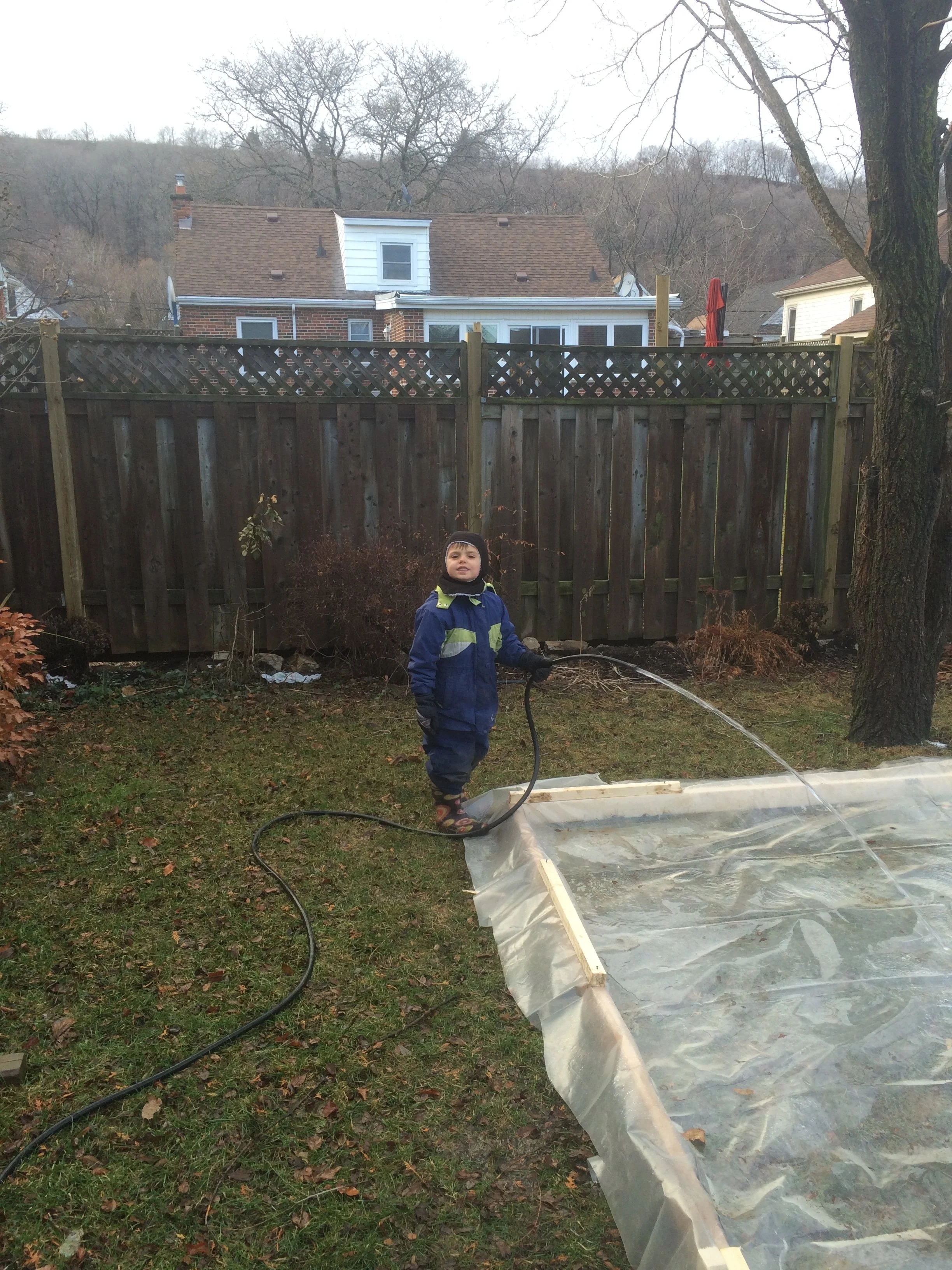
The autumn blaze maple is objectively more beautiful than the elm tree ever was. And yet there are no children to climb her thickening branches, just a middle-aged couple, who turn to one another in the morning as the sun reflects off the leaves, alighting the entire house in an orange-red hue, who say in wonder, “isn’t that amazing?”
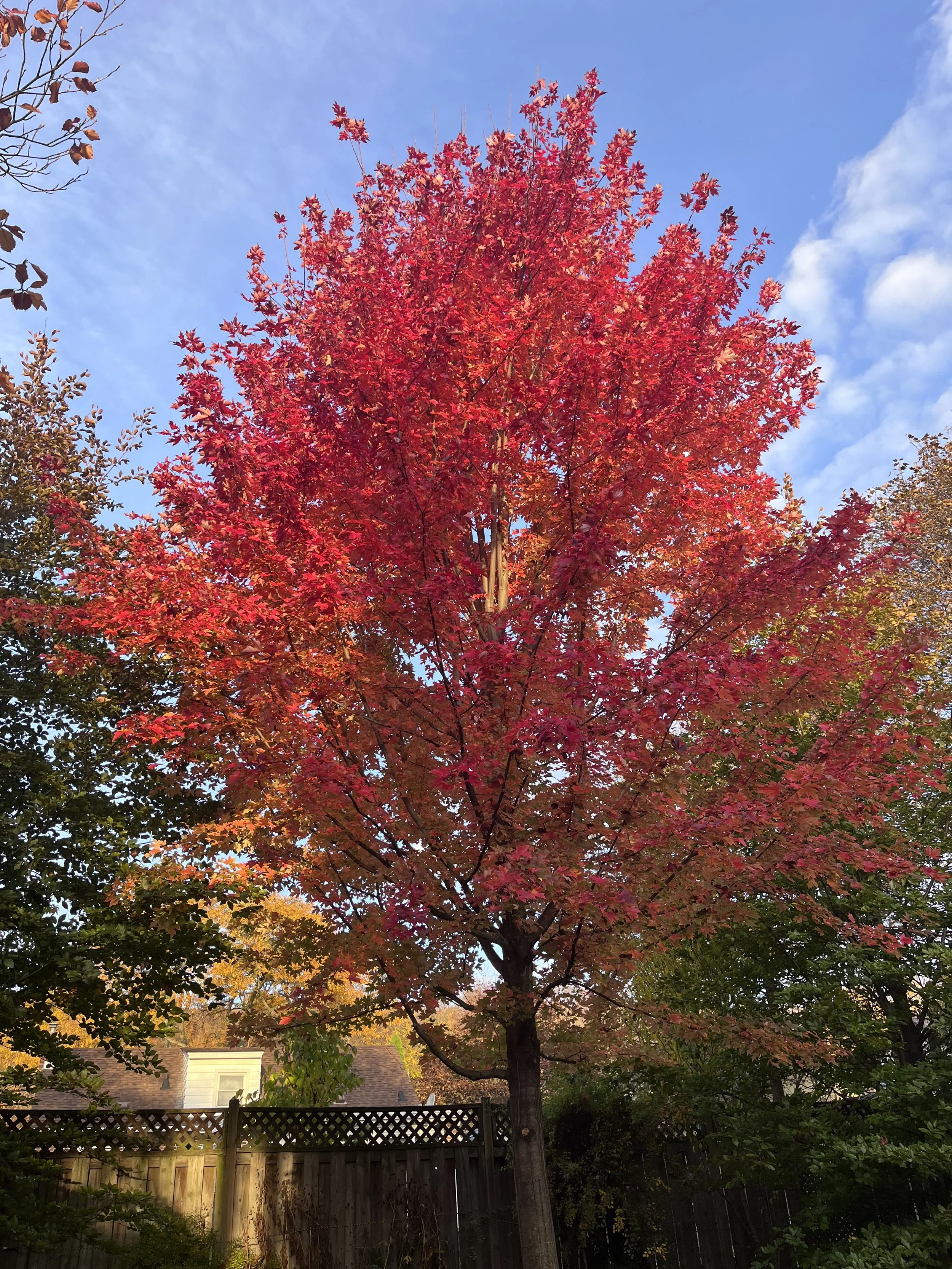
Only ten years after cutting down the elm. What a tree!
I’m not sure what the morning light looks like on evergreens, and if I will love it the same way. Our son is not in favour of the move. He wants to bring his grandchildren to this house, where his memories live. We contemplate the changing leaves in the backyard, and hesitate.